How to Spot the Best Deals on Cheap Football Shirts This Season?
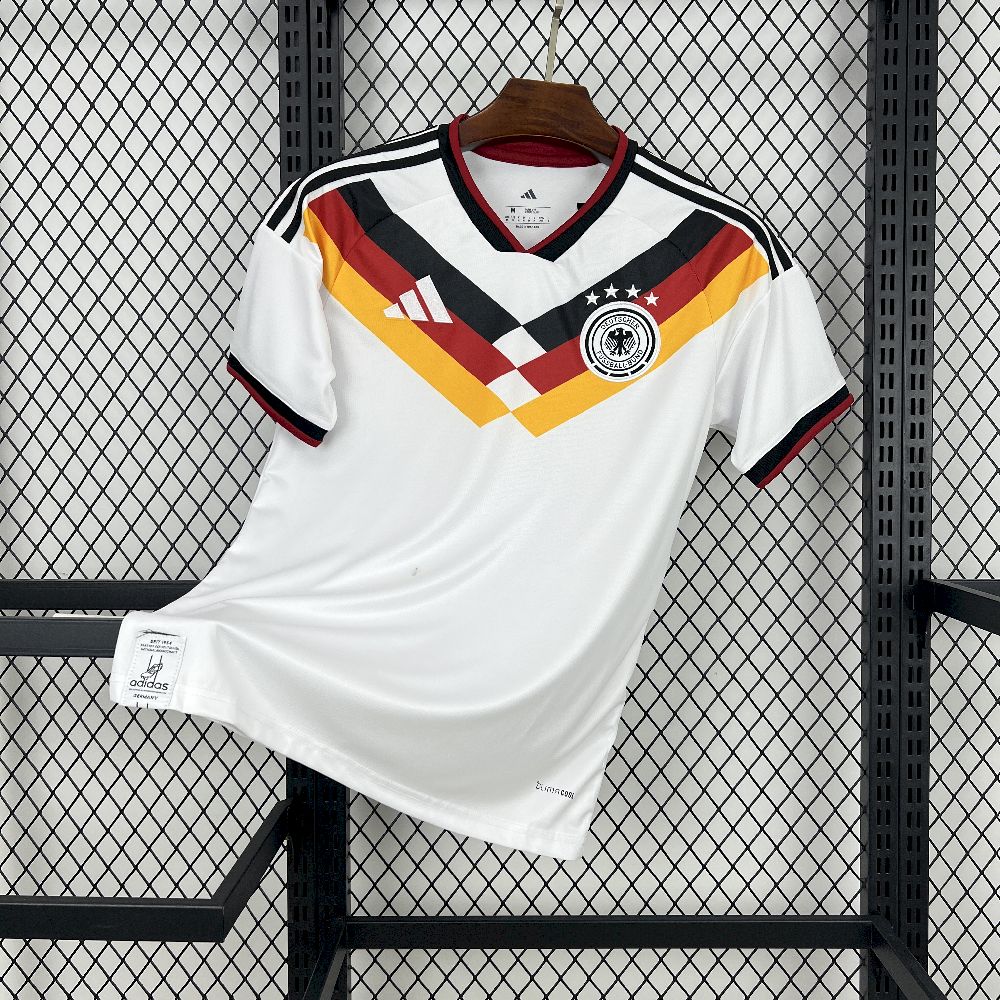
Securing high-quality cheap football shirts relies heavily on monitoring retail inventory cycles. Between 2025 and 2026, the retail price for top-tier authentic football jerseys rose by approximately 12%, significantly increasing demand for secondary market discounts. By tracking data from major sportswear retailers throughout June and July, analysts observed that specific sizes, particularly small or extra-extra-large, are frequently liquidated at 40% of their original price point as stores prepare for new seasonal inventory.
During the end-of-season clearance window, major sports e-commerce platforms initiate massive stock rotation before the close of their fiscal year in late May or mid-June. According to a 2025 retail audit, roughly 65% of football kits undergo their first price reduction within 14 days of the final league match, with average discounts escalating from 20% to 50% in a matter of weeks.
Retailers prioritize shelf space for the upcoming August kit launches by offloading non-core inventory, such as third kits or goalkeeper jerseys, to outlet sections, a standard practice for maintaining cash flow during seasonal transitions.
As discount percentages rise, the challenge of verifying the legitimacy of available merchandise grows proportionately. Data from 2024 indicates that nearly 30% of unofficial jerseys circulating on social marketplaces failed to meet quality standards regarding fabric weight and emblem heat-pressing accuracy. Regardless of how enticing an offer for cheap football shirts may appear, verifying the unique production code located on the internal wash label against official manufacturer databases remains the standard procedure for confirming authenticity.
| Retail Channel | Typical Price Reduction | Clearance Start | Risk Level |
| Official Club Stores | 30% - 50% | May | Very Low |
| Major Sports Retailers | 40% - 60% | June | Low |
| Third-Party Platforms | 50% - 75% | July | Moderate |
Utilizing price comparison plugins serves as a reliable method to navigate price fluctuations and avoid inflated promotional pricing. According to Q1 2026 traffic monitoring, users who employ price comparison tools save an average of 25 pounds per purchase compared to direct buyers, while also bypassing deceptive pricing tactics often seen during holiday sales periods.
Many retailers distribute unique promotional codes via email newsletters; subscribing to these platforms frequently grants an additional 10% discount on initial orders, which can often be stacked alongside existing end-of-season clearance markdowns.
Advancements in jersey construction technology directly influence market pricing, with authentic player-issue jerseys costing approximately 45% more to produce than replica versions due to advanced laser-cut ventilation and heat-bonded materials. During liquidation phases, replica jerseys often see more aggressive discounting than authentic versions, largely because their production runs typically exceed 500,000 units per design, leading to higher surplus volumes.
-
Always inspect the silicon print inside the collar and the wash tag code; if the serial number produces no results on the official brand website, the item is likely a replica.
-
Examine the precision of brand embroidery and badge alignment; authentic jerseys maintain high consistency, whereas lower-quality items often show visible adhesive residue or misalignment after repeated washes.
-
Exercise caution with websites that rely on aggressive pop-ups and countdown timers, especially those with domain registration histories of less than two years.
When inventory levels for a specific kit drop below 15% of the initial stock, retailers often discontinue further discounts to maximize profit on remaining items. In this environment, if a product page updates from having substantial stock to having only a few units remaining, waiting for a deeper price drop often leads to total stock depletion.