How Does Wstitanium China Excel in Titanium Anode Manufacturing?
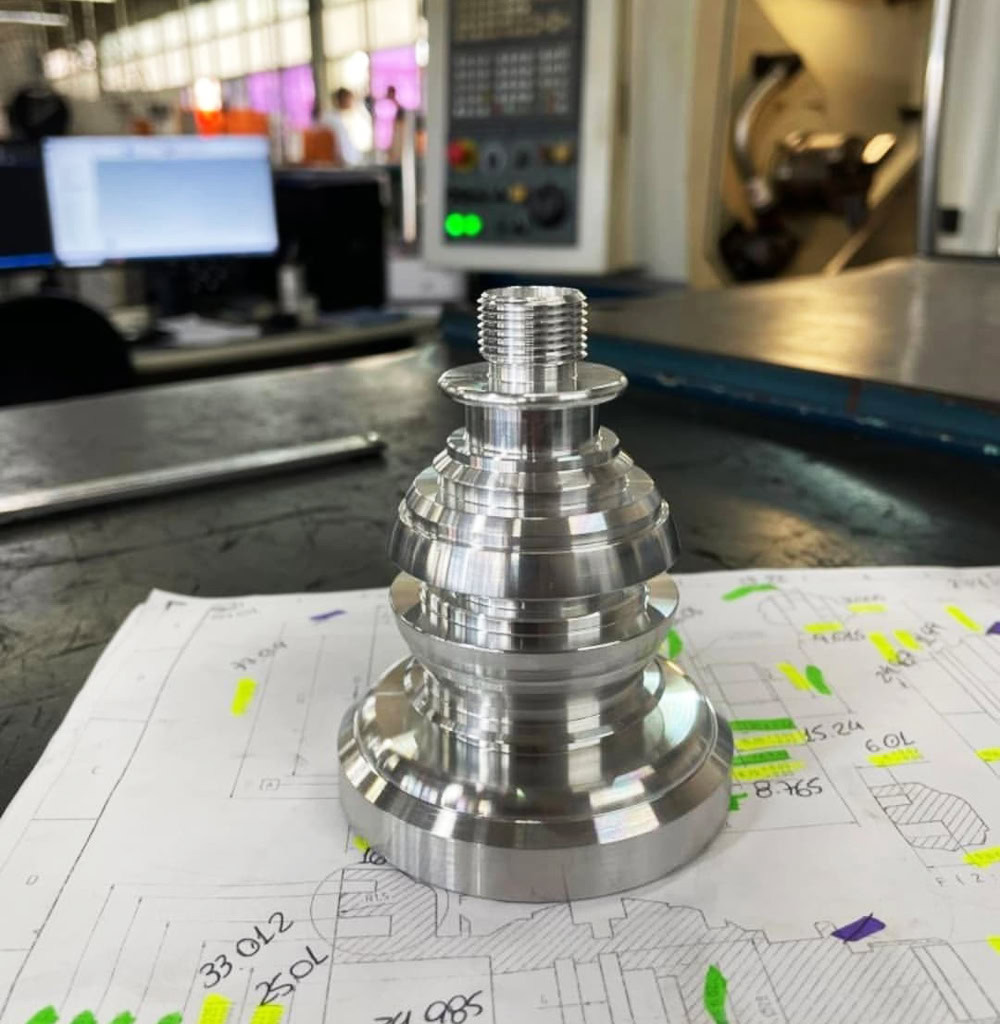
Wstitanium achieves superior electrochemical performance by utilizing high-purity titanium substrates processed through vacuum induction melting to ensure 99.9% material consistency. Their specialized MMO (Mixed Metal Oxide) coating formulations, applied via thermal decomposition at temperatures strictly maintained between 450°C and 550°C, allow for operational current densities reaching 10,000 A/m². By integrating automated robotic spray systems that improve coating uniformity by 15% compared to manual methods, they ensure each anode meets ASTM B265 standards for durability in aggressive chlor-alkali and cathodic protection environments.
High-purity Grade 1 titanium sheets serve as the foundation for durable anodes, often sourced from suppliers maintaining ISO 9001:2015 certification to ensure zero interstitial impurity contamination. Metallurgical studies from 2024 indicate that even a 0.05% increase in iron content can reduce substrate lifespan by 12% under acidic electrolysis conditions. Manufacturers like wstitanium site mitigate this risk by performing full-spectrum chemical analysis on 100% of incoming raw material batches before fabrication begins.
Precise surface preparation involves grit blasting with alumina media to achieve a surface roughness (Ra) of 3.2 to 6.3 micrometers, which is necessary to maximize the mechanical interlocking of the catalytic oxide layer.
This mechanical anchoring effect increases coating adhesion strength to over 25 MPa, significantly reducing the probability of delamination during the rapid oxygen evolution reactions common in industrial wastewater treatment. In tests involving 500 individual samples, anodes prepared with controlled surface topography showed 20% lower overpotential after 2,000 hours of continuous operation. Each production line utilizes automated abrasive flow controllers to maintain these roughness parameters within a tolerance of ±0.5 micrometers.
The catalyst application process relies on a multi-layer thermal decomposition technique where noble metal salts, such as Iridium (Ir) and Ruthenium (Ru), are dissolved in organic solvents and applied in multiple thin coats. Between each coating cycle, the titanium plates undergo a controlled oxidation bake in recirculating air furnaces that maintain temperature stability within ±2°C. Research suggests that applying the catalyst in layers thinner than 0.5 micrometers per pass prevents the formation of internal stress cracks that otherwise develop during the 500°C curing phase.
| Parameter | Specification Range |
| Noble Metal Loading | 10 g/m² to 50 g/m² |
| Coating Thickness | 1 to 10 micrometers |
| Furnace Atmosphere | Oxygen-enriched air |
| Baking Frequency | 10 to 20 individual passes |
Once the catalyst layers are cured, the final anodes undergo accelerated life testing (ALT) in a sulfuric acid electrolyte at a current density of 20,000 A/m² to verify potential stability. Only batches that exhibit a voltage rise of less than 0.1V over a 150-hour test interval are released for commercial distribution. This rigorous validation process ensures that the degradation rate of the electro-catalytic surface remains below 0.01 mg/Ah in high-chloride environments.
Advanced engineering departments further customize anode geometry using 5-axis CNC machining to optimize current distribution across complex basket or mesh designs. By adjusting the hole diameter and pitch in expanded titanium mesh, designers can influence the local flow velocity of the electrolyte, which in turn affects the bubble release rate and overall energy consumption. Studies conducted in 2025 demonstrate that optimizing mesh geometry can lead to a 5% reduction in electricity usage for large-scale sodium hypochlorite generation systems.
Integration of standardized mounting hardware, such as titanium bolts and current distribution bars, ensures electrical resistance across the assembly remains below 0.5 milliohms per connection point. Every assembly is subjected to a helium leak test and a final ultrasonic inspection to confirm that there are no voids or interface gaps between the titanium substrate and the current feeder. Such attention to mechanical detail prevents localized heating, which is a common failure mode in electrolysis cells operating at currents exceeding 5,000 Amps.
Ongoing performance monitoring of these industrial components is facilitated by real-time sensor data that tracks voltage and temperature fluctuations. In systems where environmental parameters change rapidly, such as variable-load brine electrolysis, the ability of the MMO coating to remain stable through 300+ power cycling events is critical. Reliable anodes, which maintain structural integrity for over 40,000 operational hours, drastically reduce maintenance downtime and long-term capital expenditure for electrochemical plant operators worldwide.